THE PROCESS
01.
CONCEPT
02.
DESIGN
03.
BUILD
04.
ACTIVATE
05.
MAINTAIN
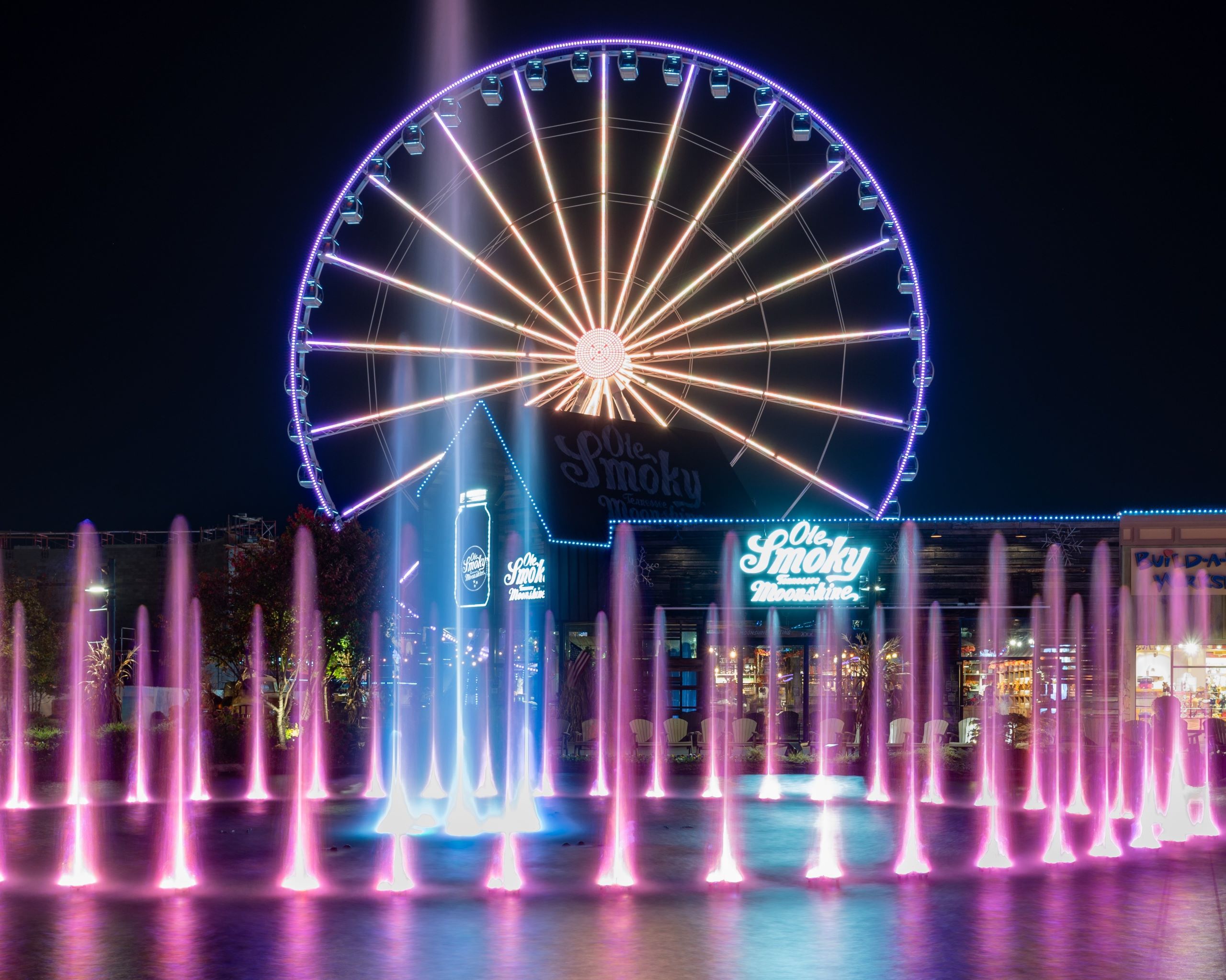
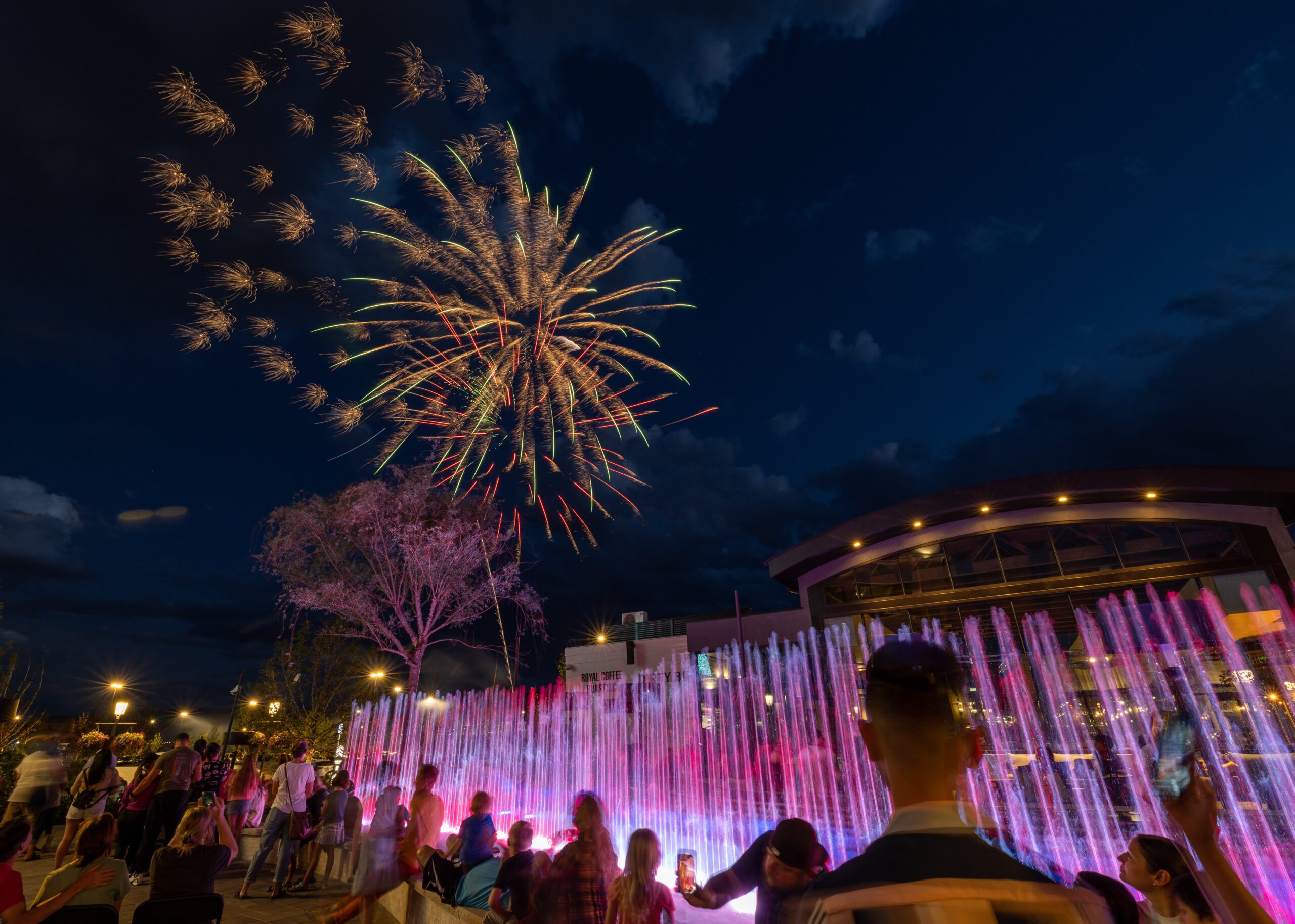
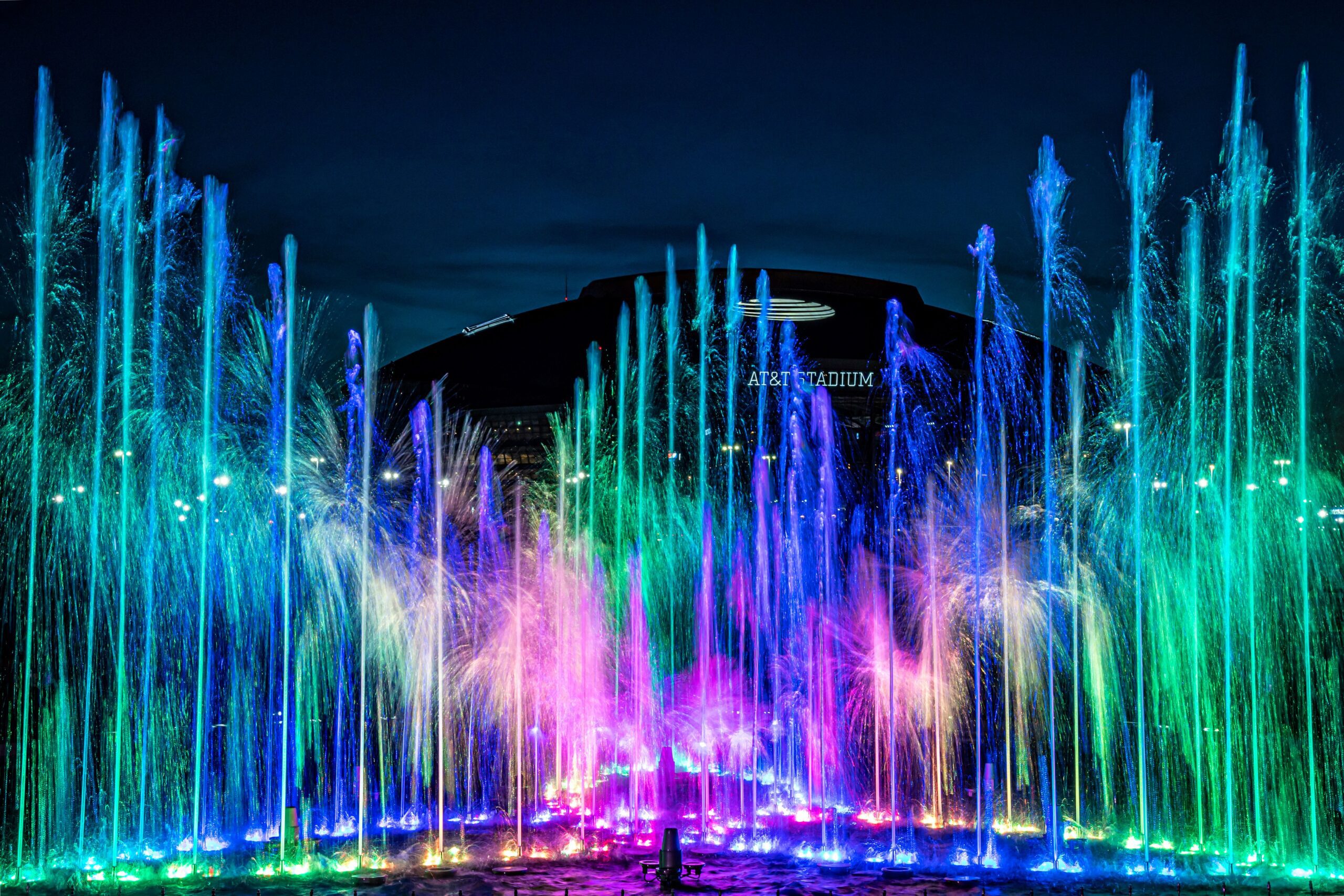
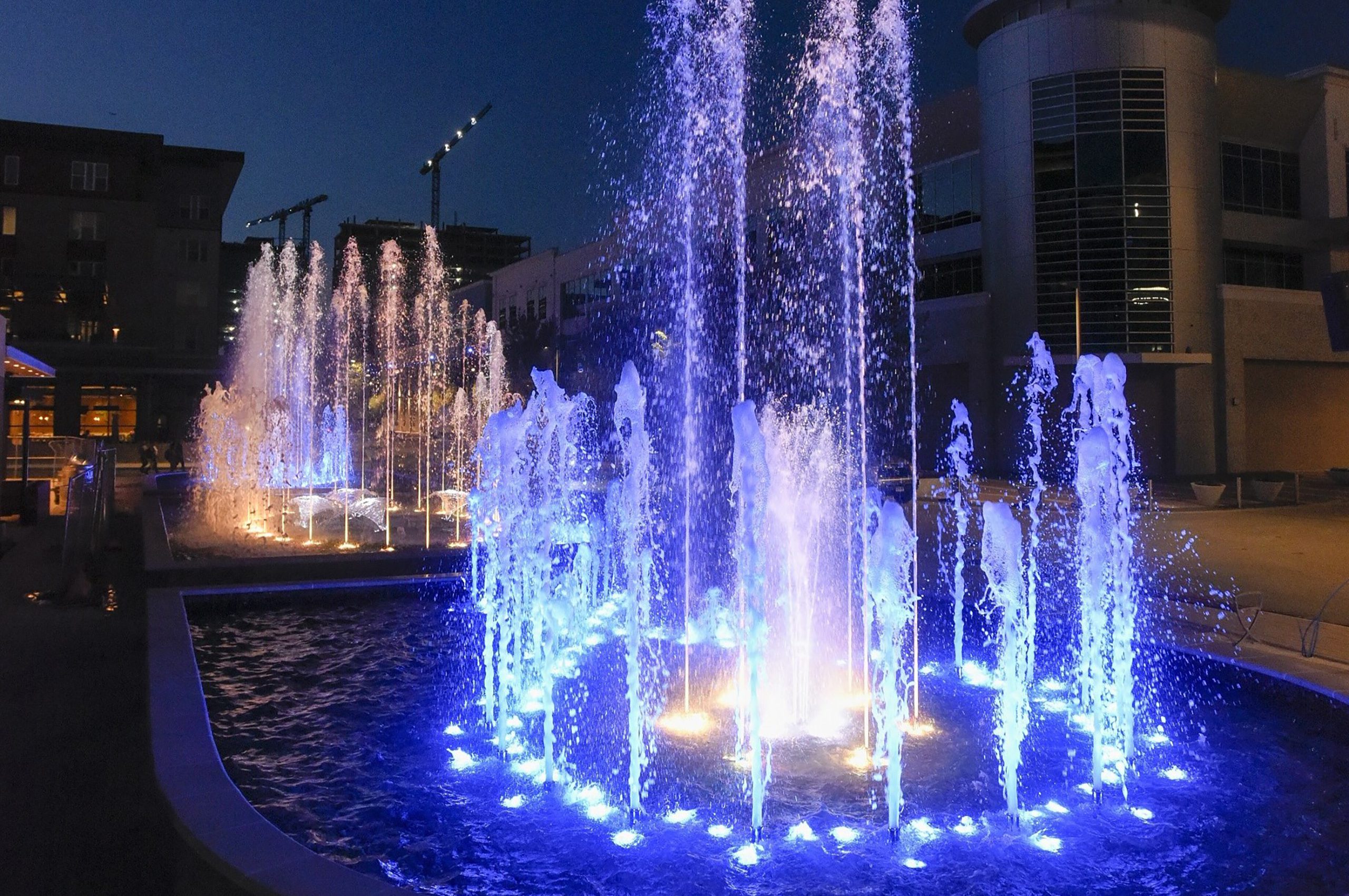
A water feature becomes a destination when its design creates a compelling experience that gives people a reason to gather, stay, engage, and return. The most successful water features are integrated into the surrounding public space rather than treated as isolated amenities. Scale, movement, sound, lighting, interactivity, seating, circulation, programming, and the relationship between water and adjacent uses all shape the experience. In effective placemaking, those elements work together to turn water into a social and emotional focal point. The goal is not simply to add a fountain. It is to create a memorable place people choose to experience again.
Ideally, a water feature specialist should join the project team during concept design or schematic design. Early involvement allows creative vision, budget, water feature engineering, infrastructure, constructability, controls, operations, and maintenance to develop together instead of being reconciled later. It also helps establish realistic ROM budgets, identify utility and equipment requirements, protect design intent, and reduce redesign or field surprises. Even when an architect, landscape architect, or specialty designer leads the creative concept, an experienced water feature specialist can provide technical guidance that improves feasibility, coordination, long-term performance, and cost certainty before major project decisions are locked in.
Water features typically fail because design, engineering, construction, water quality, controls, and long-term maintenance were not considered as one integrated system. Common problems include poor hydraulic design, inadequate filtration or water treatment, difficult equipment access, improper materials, coordination gaps, overly complex controls, and unrealistic maintenance expectations. These issues can lead to unreliable operation, high maintenance costs, poor water quality, or features that are eventually shut down. The best prevention is early collaboration between the creative team, water feature engineers, builders, operators, and maintenance professionals so the feature is designed for both opening-day impact and decades of practical operation.
A reliable water feature begins by integrating creative design with hydraulics, engineering, controls, water quality, constructability, maintenance access, and lifecycle costs from the start. Reliability is not something added after the design is complete. Equipment needs to be appropriately sized, accessible, serviceable, and suited to the actual operating environment. Filtration, treatment, pumps, piping, controls, and structural coordination all need to work as one system. When those requirements are addressed early, ambitious creative ideas can be delivered without sacrificing performance. At OTL, artistry and engineering are developed together so the experience can remain visually compelling while operating consistently for years to come.
A sustainable water feature minimizes resource use while remaining durable, maintainable, efficient, and valuable over its full lifecycle. Recirculating water systems, efficient pumps and filtration, responsible water treatment, durable materials, smart controls, and thoughtful operating schedules can reduce water and energy consumption. Sustainability also depends on water quality, equipment longevity, ease of maintenance, and the ability to repair or replace components over time. A feature that is resource-efficient on opening day but becomes difficult or prohibitively expensive to operate is not a successful long-term outcome. The most sustainable water features combine responsible resource use with reliability, maintainability, and lasting relevance to the place they serve.
Water features become expensive to maintain when equipment is difficult to access, systems are unnecessarily complex, water treatment is inadequate, or materials and components are poorly suited to the operating environment. Inadequate filtration, proprietary components, poor drainage, hard-to-service pumps and controls, and designs that ignore real operating conditions can all increase lifecycle costs. Deferred maintenance then compounds those problems. The best way to control fountain and water feature maintenance costs is to consider operations during design, simplify systems where appropriate, provide proper service access, specify durable equipment, design effective water-quality systems, and establish a realistic maintenance program. Long-term stewardship begins during design, not after construction.
A design-build approach can reduce coordination gaps by bringing water feature design, engineering, estimating, construction, programming, commissioning, and operational planning into a coordinated process. Decisions can be evaluated simultaneously for aesthetics, performance, budget, schedule, constructability, and long-term maintenance, which can reduce redesign and field surprises while helping protect design intent. Design-build is not the only successful delivery method, and a strong water feature partner should be able to work seamlessly with an existing architect, landscape architect, engineer, or specialty designer. The primary advantage is clearer accountability and earlier coordination between the people designing the feature and the people responsible for building and operating it.
Interactive water features can use sensors, cameras, controls, programmed inputs, or environmental data to allow movement, touch, sound, crowd activity, or other conditions to influence water, lighting, and audio effects. That interaction can transform guests from spectators into participants and make each visit feel different. Responsive fountains and programmable water environments can encourage exploration, play, longer dwell times, repeat visits, and stronger connections between people and place. The technology itself, however, should not become the focus. The most effective interactive systems feel intuitive and support the larger experience, allowing water, light, sound, and the surrounding environment to respond naturally to the people using the space.
The cost of a commercial water feature varies widely based on scale, complexity, materials, hydraulics, structural requirements, water treatment, controls, lighting, interactivity, site conditions, equipment location, and project delivery method. A small architectural fountain and a large interactive or show fountain can have very different budgets even when they occupy similar footprints. The most useful way to establish cost is through an early ROM budget based on the design concept and project requirements. Involving a water feature specialist during concept or schematic design allows the team to compare design options, understand cost drivers, coordinate infrastructure, and make informed decisions before the feature is fully documented.
The timeline for designing and building a water feature depends on the size and complexity of the feature, project delivery method, permitting requirements, coordination with the surrounding development, equipment lead times, and level of programming or interactivity. Simple features can move through design and construction relatively quickly, while large architectural, interactive, or show fountains may require extensive engineering, mockups, specialty fabrication, controls programming, commissioning, and coordination with multiple trades. The most reliable schedule is developed as part of the broader project schedule. Bringing the water feature team in early helps identify long-lead equipment, critical coordination milestones, and sequencing requirements before they become schedule constraints.
An early water feature budget can usually be developed from a concept plan, sketch, rendering, precedent image, narrative, or even a clear description of the intended guest experience. Helpful information includes approximate size, water effects, desired level of interactivity, lighting, materials, operating expectations, equipment location, site utilities, structural conditions, and the project’s overall construction schedule. The design does not need to be complete before budgeting begins. In fact, early ROM pricing is most valuable while the concept is still flexible because the team can evaluate alternatives, identify major cost drivers, and align the creative vision with the available budget before significant design effort is invested.
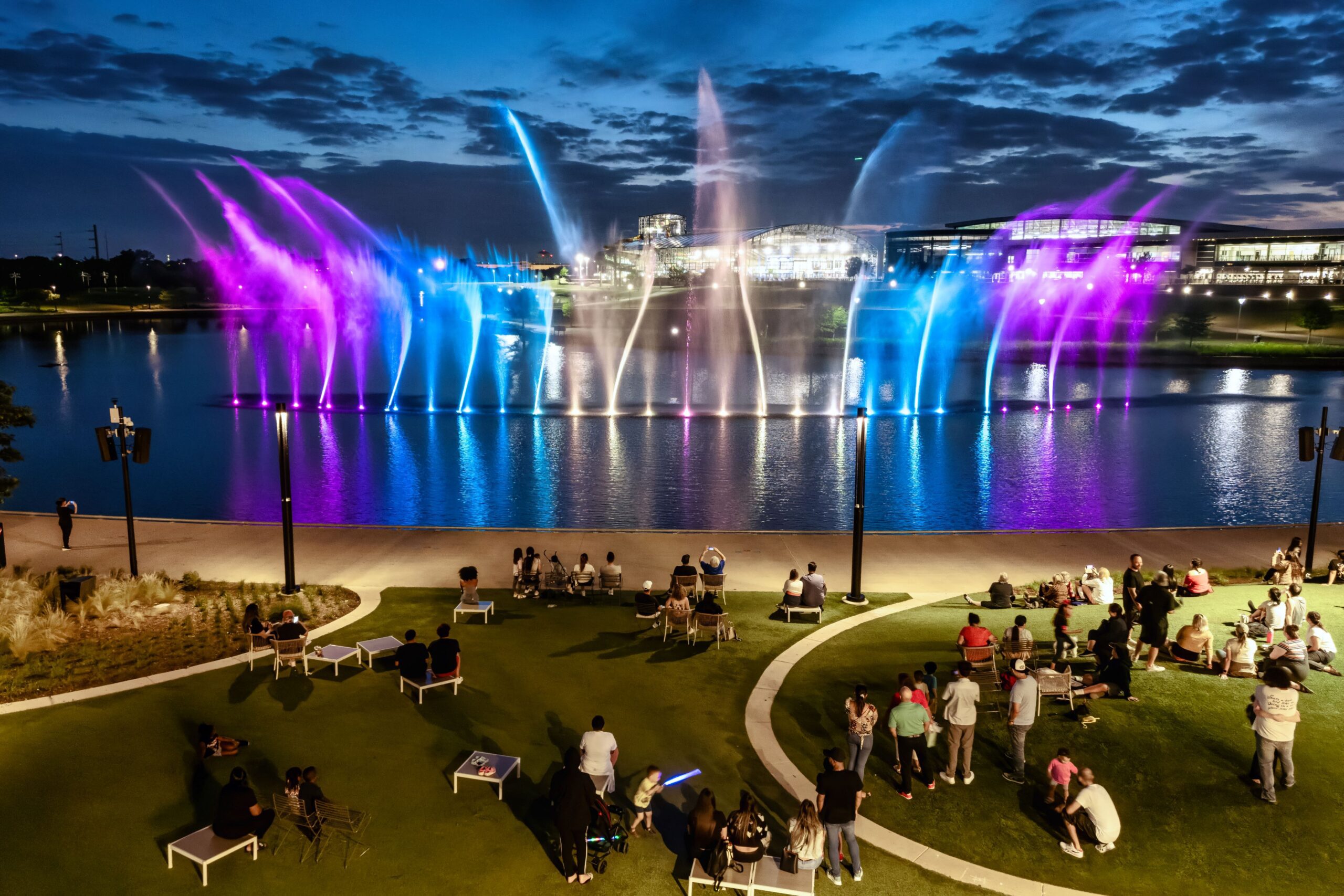
Commercial water features can range from quiet architectural elements to large-scale interactive and entertainment experiences. Common types include reflecting pools, runnels, cascades, weirs, waterfalls, jets, choreographed fountains, interactive fountains, splash environments, show fountains, water walls, interior features, and water elements integrated with light, sound, or responsive technology. The right type depends on the desired experience, surrounding architecture and landscape, available space, budget, operating requirements, and maintenance strategy. Rather than selecting a feature type in isolation, the strongest projects begin with the role water should play in the place and then develop the appropriate water effects, technology, engineering, and supporting environment around that objective.


Great places aren’t measured by what they’re made of.
They’re measured by how they make people feel.
Relationships matter more than transactions.
Engineering and artistry belong together.
Innovation should always have purpose.
And while perfection may never be fully attainable, the relentless pursuit of it leads to excellence.
That’s how we’ve approached every project since 2007.
That’s OTL.