
Experience is the New Amenity: 5 Trends Development Teams Should Watch
Posted in Insights -
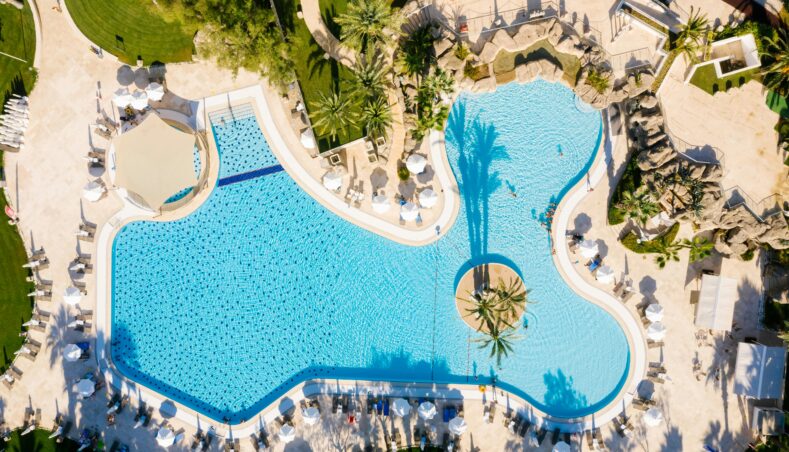
Amenities used to be a checklist (a fitness room, a lounge, a rooftop with a view). Today, developers are treating amenities less like perks and more like strategy, spaces that help a property feel worth the commute, the rent, and the renewal. That shift is happening because the competition is no longer just the building next door; it’s the option to stay home, join a boutique studio, work from anywhere, or choose a neighborhood that simply “feels better.”
Across multifamily and commercial real estate, the message from tenants and residents is consistent: experience is the product. Surveys and research are increasingly explicit that people expect more than square footage. They want environments that support health, connection, identity, and delight.
What’s changing is not just which amenities are offered but how they’re designed. The most effective amenity packages now behave like places – destinations with a pulse rather than rooms with furniture. Here are five trends to note in the amenity space.
- Wellness is moving from “nice to have” to “pricing driver.”
Wellness amenities used to mean a treadmill and a mirror wall. In 2025, wellness is broader, more sensory, and more measurable: recovery rooms, sauna and cold plunge culture, daylight-first design, air and acoustics, outdoor movement loops, and spaces that reduce stress by design rather than by signage.
The business case is strengthening, too. Industry reporting has tied wellness-oriented environments to meaningful premiums and performance, especially as “feel-good” becomes “value.”
This is where experiential design teams can quietly outperform: wellness doesn’t have to scream “spa” to work. Sometimes it’s a shaded courtyard that invites a 10-minute reset. Sometimes it’s the soundscape that makes a lobby feel like an exhale.
- Amenities are becoming social infrastructure, not just social media backdrops.
The best amenities now function like community glue. They host rituals: morning coffee flow, coworking clusters that actually get used, a lobby that supports both a quick hello and a long conversation. Research on workplace experience, for example, points to an ongoing shift toward offices and buildings being treated as destinations people choose, where design influences loyalty and behavior, not just aesthetics.
For multifamily, this translates into retention: when residents feel known, connected, and proud of where they live, moving becomes a bigger emotional cost, not just a financial one. Even industry trend studies are highlighting connection and engaging amenities as key drivers of satisfaction.
Design implication: spaces must be programmable. A gorgeous room that doesn’t host life is just square footage.
- Interactive art and culture-driven placemaking are moving inside the amenity stack.
Developers are borrowing a play from great cities: identity creates magnetism. Culture-driven placemaking, murals, installations, rotating exhibits, performance micro-venues, artist collaborations all give a property a story people can participate in, not just observe. In 2025, the conversation has matured from “let’s add art” to “let’s build belonging.”
Interactive art works especially well because it rewards repeat encounters. You don’t experience it once; you meet it differently over time. That’s exactly the psychology of retention: novelty that renews, familiarity that comforts.
- Experiential design is becoming multisensory, and that’s where water belongs.
Water features shouldn’t be framed as a “luxury add-on.” When designed with intent and operational rigor, they function as infrastructure for experience. In the modern amenity ecosystem, water is one of the most versatile experiential tools available because it can operate on multiple levels at once.
First, water shapes emotion. Movement, reflection, and sound can soften a hard edge in a lobby, calm a transition from street to home, or make an outdoor terrace feel like a retreat rather than a platform.
Second, water supports wellness in ways that aren’t trend dependent. The gentle masking of city noise, the sense of coolness on a hot day, the invitation to pause – these are human responses, not fads.
Third, water can be interactive, and interactivity drives repeat engagement. Consider rills that respond to touch, misting elements that transform a courtyard in summer, or choreographed jets that turn a pass-through plaza into an after-dinner destination. When designed thoughtfully, water becomes “soft programming,” an experience that animates space without needing an event schedule.
Fourth, water strengthens identity. A signature feature can become the property’s shorthand – the image in the mind when someone says, “I live there.” In leasing, memorability matters. In retention, pride matters.
The key is intentionality: water features must be integrated with circulation, seating, lighting, and acoustic strategy. They should feel inevitable, not inserted.
- The new expectation: high experience, low friction, responsible operations.
As amenities become more experiential, the behind-the-scenes performance matters more. Tenants and residents will forgive less downtime, less cleanliness, less clarity. That means experiential elements, including water, need operational credibility: smart controls, durable detailing, safe surfaces, service access, seasonal planning, and water stewardship.
The strongest projects now treat sustainability and experience as partners. Recirculating systems, efficient filtration, leak detection, and climate-responsive design choices can support both story and performance, especially as wellness and environmental responsibility increasingly travel together in the market narrative.
The takeaway
The amenity race isn’t about having more; it’s about designing better reasons to stay. Wellness invites people to feel cared for, while interactive art invites them to feel part of something. And water, when treated as an experiential design tool, invites them to feel, period: calmer, cooler, more present, more at home.
In a market where “space” is everywhere, experience is the differentiator. The future amenity package is not a list. It’s a living sequence of moments, and the sound of water might be one of the most powerful moments you can build.
