
Merging Environments: Continuing to Explore the Indoor-Outdoor Experience in Hospitality
Posted in Insights -
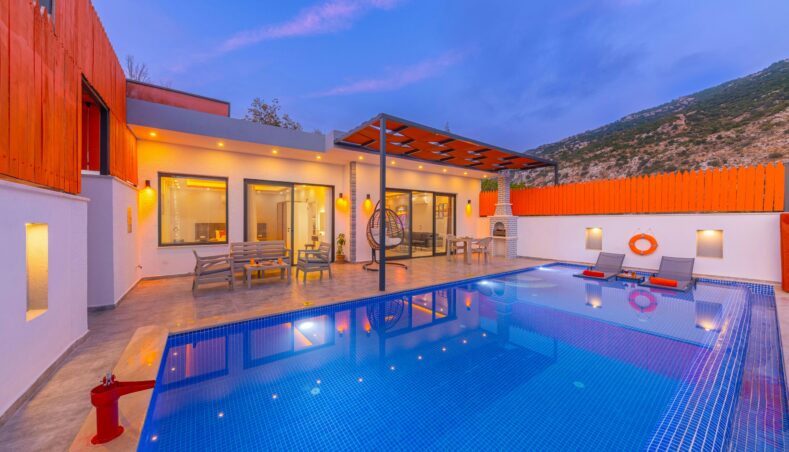
Travelers today want more than a place to sleep; they want a place to feel something. Hotels and resorts are responding by dissolving the line between indoors and outdoors, creating environments that feel open, immersive, and built to resonate beyond the stay. This shift is not about aesthetics alone. It is about orchestrating experiences that transform a property into a destination.
From Rooms to Realms
Modern hospitality design is moving away from compartmentalized spaces and toward cohesive realms that flow naturally. Lobbies open to courtyards, restaurants spill into gardens, and guest rooms frame views that feel like extensions of the interior. This approach mirrors how people live and socialize at home – moving easily between indoor and outdoor environments – which makes the experience feel intuitive and relaxed.
Hospitality designers are integrating residential concepts to make resorts feel more homey. Fire features, shaded lounges, textured materials, and curated lighting help outdoor areas feel comfortable at any hour. When guests can move seamlessly between inside and outside, the property functions as a unified environment rather than a collection of separate spaces.
Nature as a Design Partner
The renewed focus on indoor-outdoor design is closely tied to biophilic principles. Studies consistently show that access to nature improves mood, reduces stress, and increases overall experience. Hospitality brands are leaning into this research to create environments that feel restorative. The Terrapin Bright Green overview of biophilic design offers a helpful primer on why biophilic integration resonates so strongly with guests.
Natural materials, organic forms, and living landscapes are no longer decorative extras; they are central to brand identity. Thoughtfully integrated water architecture, stone textures, and planted features provide sensory cues that shape how a place is felt, not just seen. At larger mixed-use and resort destinations, water often becomes the connective tissue between interior and exterior realms.
Designing for the Camera Without Losing the Soul
Social media has become a powerful driver of travel decisions. According to Skift, visually distinctive spaces that tell an interesting story can directly influence bookings. Designers must now consider both physical presence and digital amplification.
The key is authenticity. Guests quickly spot designs that feel staged or gimmicky. The most shared environments on social media are those that feel immersive and emotionally engaging. A courtyard that glows at dusk, a lounge framed by natural textures, or a poolside edge that visually blends into the horizon all resonate because they feel memorable, not manufactured.
Technology as an Invisible Enhancer
While the emphasis is on nature and openness, technology quietly supports these experiences. Adaptive control systems now allow environments to shift in real time, responding to time of day, density, or programmed experience cycles. When integrated seamlessly, technology enhances atmosphere without announcing itself. In outdoor environments, smart controls help features respond to guest movement or changing conditions, creating subtle moments of surprise without overwhelming the senses.
Water features, when used thoughtfully, can become adaptive elements that enhance ambiance through sound or visuals. These preprogrammed or reactive systems adjust guests’ experience quietly in the background.
A New Kind of Luxury
Luxury in hospitality is being redefined. It is less about formality and more about freedom. Guests value spaces that let them choose how they engage, whether that means working from a sunlit terrace, socializing around a sculpted landscape feature, or retreating to a quiet garden path.
This evolution aligns with broader travel trends. The World Travel and Tourism Council highlights experience-driven travel as a key motivator for modern guests. Hotels that embrace indoor-outdoor integration are better positioned to deliver these layered experiences.
For developers, these integrated environments are not just experiential assets; they are economic drivers. When interior and exterior spaces function as one cohesive environment, dwell time increases, programming expands, and destinations gain year-round activation potential.
Looking Ahead
As competition for attention intensifies, hospitality environments will continue to evolve. The most successful properties will be those that balance design, nature, and technology to create spaces that feel effortless and unforgettable.
Blending indoor and outdoor experiences is a response to how people want to feel when they travel. When design invites connection, discovery, and a sense of place, guests do more than check in. They remember, they share, and they come back.
Featured Articles
- Team Spotlight: Getting to Know Chip Beyt, Strategic Partnerships
- Merging Environments: Continuing to Explore the Indoor-Outdoor Experience in Hospitality
- Why the Best Design Partnerships Start with Business Goals, Not Projects
- Experience is the New Amenity: 5 Trends Development Teams Should Watch
- “Green” Two Ways: How Sustainable Design Cuts Costs and Waste
